


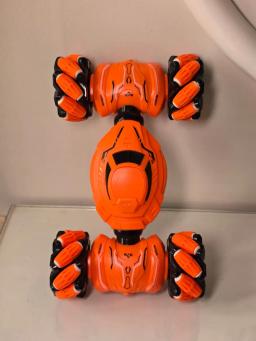
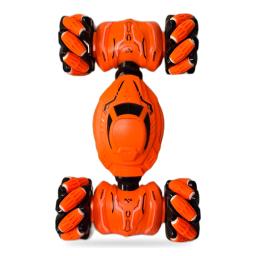
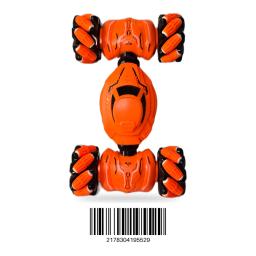
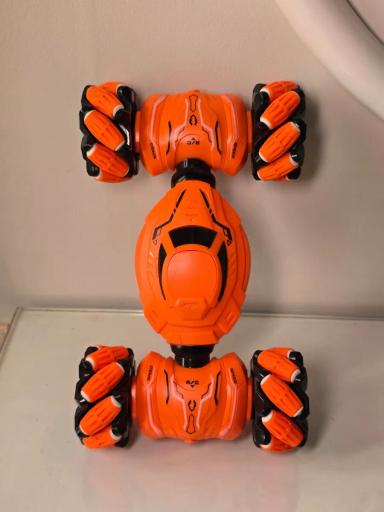
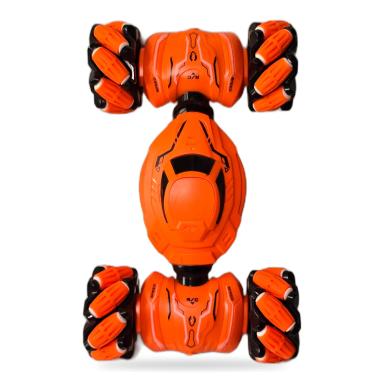
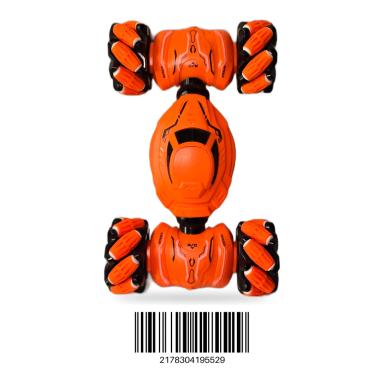
Twisting stunt RC car, orange
عربية ريموت استانت دوّارة، برتقالي
- Suggested department
- Toys › Remote control
- Barcode
- 2178304195529
ProjectsCatalog Studio
Client project · Retail · Cairo
Cairo's largest stationery store sells 15–17k products. I built the system its staff use every day: photograph a product on a phone, and seconds later it is on white with its barcode under it, named in Arabic and English, and waiting for review at the cashier.
The problem
Before, the staff sent every product as a Telegram message: a photo, with the barcode typed under it. The bot's own database, over 33 working days and 1,992 products, tells the story.
Half the products waited longer than that for a reviewer, and 10% waited more than 4 days. 16 were stuck for good.
The AI wrote Arabic only, and the reviewers ended up editing about 90% of the names by hand.
At 60 products a day, the 27,706 items in the store's system would take more than 460 working days. And the AI could change a barcode by mistake.
What I built
Catalog Studio is a website the staff open on their phones and laptops, with nothing to install, and a processing line on the store's own server.
Staff member · upload 1–12 s
Take a photo, scan the barcode with the camera or type it, choose piece or box, and tap Save. The upload carries on in the background, and if the internet drops, the photo waits on the phone.
Automatic · 6–22 s
On the store's server the background is removed, and the product is centred on a white square with its barcode under it. AI writes the name and a short description in Arabic and English and suggests a department.
Reviewer · a batch is held 20 min
At the cashier, a reviewer takes a batch of 5, compares before and after, scans the barcode straight off the screen, edits if needed, then approves with Enter or rejects with R.
Automatic · next: the ERP's API
Approved products go to the store's new ERP through its API, once per barcode, so nothing is ever created twice.
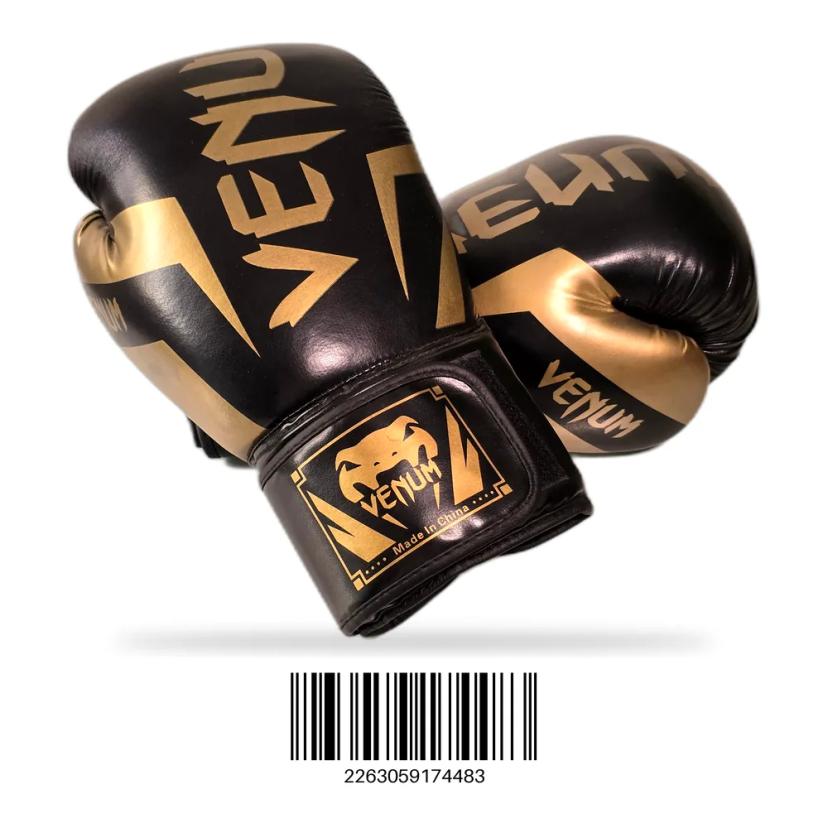
Same photo, before and after
Four products I photographed on a phone for this page, then ran through the same background-removal model and the same compose step as the store's server. Nothing is drawn or invented: logos and printed text stay as shot.
عربية ريموت استانت دوّارة، برتقالي
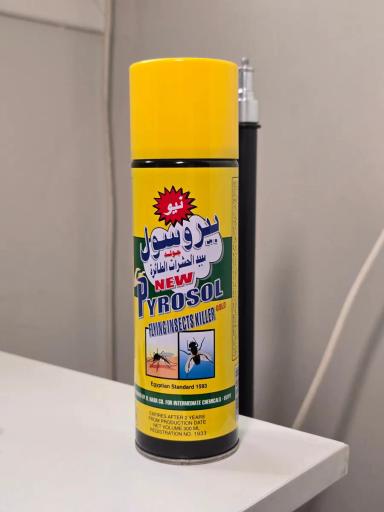
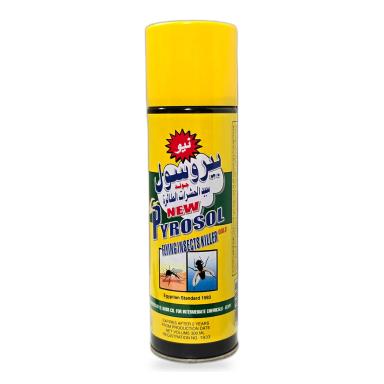
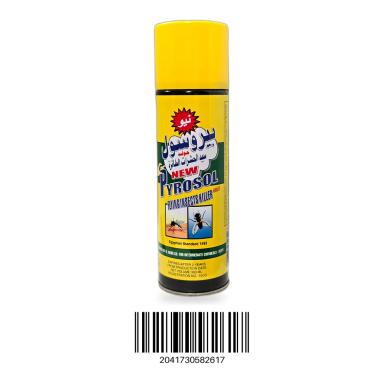
بيروسول جولد مبيد الحشرات الطايرة 300 مل
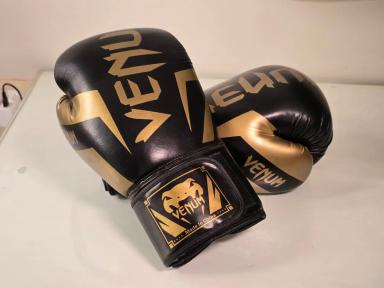
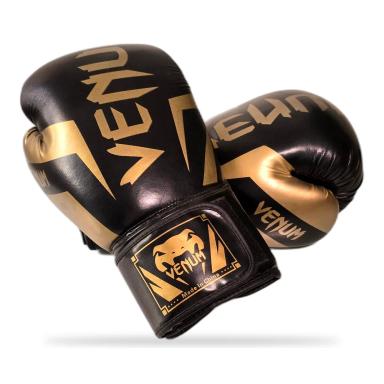
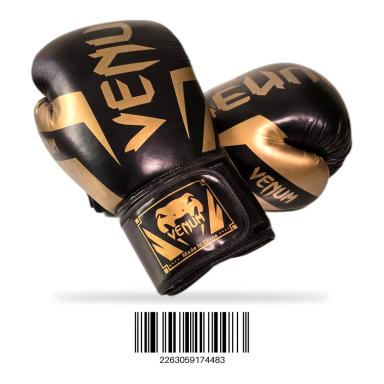
جوانتي ملاكمة Venum، أسود ودهبي
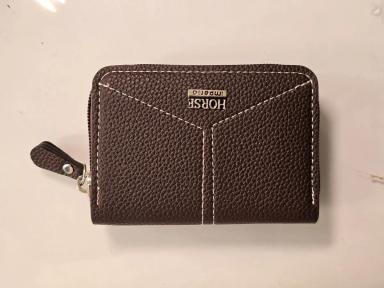
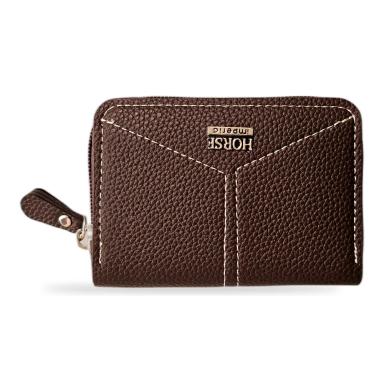
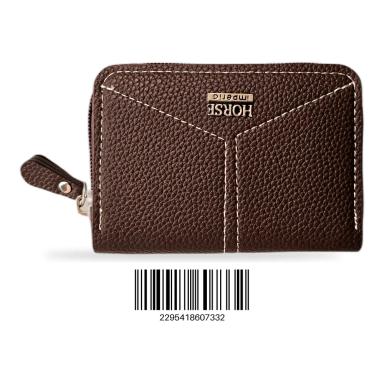
محفظة جلد بسوستة Horse Imperia، بني
These barcodes are sample codes in the 200–299 range, which GS1 keeps for in-store use, so they can never match a real product. Each one passes its check digit and scans.
Why the barcode
The barcode is the product's key at every step. So the system treats it as data to protect, not text to improve.
The code the staff member scans is stored as read. The AI writes names and descriptions; it never touches the code.
An international barcode (GTIN) must pass its check digit. A wrong digit is refused, not fixed. A store's own internal code is accepted too, and printed as Code 128.
The reviewer's scanner reads the barcode printed under the photo, right off the laptop screen. If it doesn't match, approval stops.
The ERP sync sends each product once per barcode, so a retry or a second photo never makes a duplicate.
Before and after
| Step | Telegram bot | Catalog Studio |
|---|---|---|
| Capture | A message: a photo, and the barcode typed under it | A page on the phone: photo, barcode scanned by the camera, Save |
| No internet | The message fails, and the staff member waits | The photo waits on the phone and uploads by itself |
| Photo | As shot, stored in Google Drive | Two images on white, on the store's own server |
| Name | Arabic only, and about 90% rewritten | Arabic and English, with rules learned from 223 approved names |
| Department | Free text: 70+ spellings | A fixed tree of 3 levels |
| Barcode | The AI could change it by mistake | Kept as scanned; internal codes accepted |
| Review | One by one in Telegram, and 16 stuck | Batches of 5, released after 20 minutes |
| AI | Two expensive models per product (GPT-4o and Claude Opus) | One fast model (Gemini 2.5 Flash), about $0.002 per product |
| Wait for review | 17 hours (median) | 9 seconds (the last product shot) |
Same client, a second job
Every photo has to link to an item in the store's system. So alongside the main build, I cleaned the old database those items come from.
The cleanup in numbers
Toys hold 55% of the duplicated items.
Source: the duplicate review of the store's 27,706 items. Total: 735 items.
What the store got: an 11-page report in Arabic and an Excel file with one recommendation per group. 95 groups merge now, 79 need a price decision first, 162 need a person to look.
Before and after
Rules fix the common forms for free. AI catches the real typos, like فبركاسل, fixed to فابركاستل. The old name is never erased.
| Before | After | Names |
|---|---|---|
| ورقة | 49 | |
| مللي | 45 | |
| مياه | 41 | |
| سوستة | 41 | |
| فرشاة | 32 | |
| اكسليفون | 8 | |
| سلسلة | 8 | |
| فابركاستل | 4 |
Try it yourself
Sample data, no AI, and nothing is sent anywhere: everything runs on this page.
Sample data
Product names, one per line. The rules layer fixes the forms the shop gets wrong most. The names are in Arabic, like the store's.
In the real project, rules fixed 1,121 names for free and AI fixed 775, for $0.47 in total.
Edit any name, then look for duplicates. Numbers, colours, sizes and words like boys' or girls' keep items apart.
| Name | Code | |
|---|---|---|
| Item 1 | ||
| Item 2 | ||
| Item 3 | ||
| Item 4 | ||
| Item 5 | ||
| Item 6 | ||
| Item 7 | ||
| Item 8 | ||
| Item 9 | ||
| Item 10 | ||
| Item 11 | ||
| Item 12 | ||
| Item 13 |
In the real store this found 336 groups (735 items). Root cause: the local code was the item's serial number.
Type or paste a code. A scanner's prefix, spaces and dashes are cleaned, and Arabic digits are read too.
In the real store: 12,178 international barcodes and 15,528 local codes, plus 7 obviously fake codes and 51 local codes that look like another item's barcode with a digit missing or added.
How it is built
Every table has row-level security, and each shop sees only its own data. The AI key is stored encrypted on the server and never reaches a phone or a browser.
A photo is saved on the phone first and uploaded second, and it leaves the phone only after the server confirms it.
Background removal runs on the store's server for $0 (a paid API is $0.02 a photo), and the AI is about $0.002 a product: about $55 for all 27,706 items.
Nothing reaches the ERP before a reviewer approves it, every edit records who did what, and 280+ automated tests run before every release.
What is next
Approved products go straight into the store's new ERP, as soon as its API arrives.
A dashboard for the owner: photographed, waiting, approved, and each staff member's output.
Built from day one to serve more than one shop, each with its own data. So the next store starts from a working system.
Tell me how you add products today. I'll tell you what I'd automate first.